


Longevity products are all products sold for the purpose of gaining more healthy years of life. The term has no legal meaning, so it is best understood by categorizing it according to the state of research. There are six groups, ranging from the best-evidenced to the least-evidenced.
Why it feels so confusing
A vitamin, a sleep tracker, a prescription medication, and an ice bath are all referred to as longevity products. Apart from the marketing, they have almost nothing in common.
Anyone can write the word on a label. In the EU, dietary supplements are considered food and not medicinal products, so a product does not have to prove its efficacy before being sold. This is why a simple sorting system helps.
Group 1: The Basics
Examples: Vitamin D, Omega-3, and magnesium.
State of research: Strong, but only if the body actually has a deficiency. A blood test shows whether that is the case. The previous article on blood values explains which one you should start with.
Group 2: Tools for daily habits
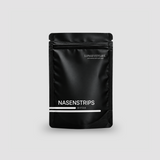
Examples: Blackout curtains, sleep and activity trackers, at-home blood tests, and nasal strips.
State of research: Depends on the habit behind the tool. A tracker is only as useful as the change it triggers. Nasal strips have a clear and simple task. They widen the nostrils so that more air can flow through the nose at night. As such, they are a tool for the sleep pillar.
Group 3: Cellular active ingredients
Examples: NMN, NR, spermidine, alpha-ketoglutarate, resveratrol, fisetin, and CoQ10.
State of research: Promising, but early. Most results come from cell and animal studies, and human studies are still small.
NMN is the best-known example. It is a precursor to NAD+, a molecule involved in the energy metabolism of every cell. NAD+ levels decline with age. In a study of healthy older men, NMN increased NAD+ levels in the blood. In a small study of postmenopausal women with prediabetes, NMN improved the insulin response of the muscles, while blood sugar itself did not change.
These results are interesting and they are early. That is why this group is a supplement to the pillars and not a replacement.
Group 4: Skin longevity
Examples: Creams with peptides, NMN, or antioxidants.
State of research: Limited. Most of these products act on the skin's surface. Claims that they alter the cellular aging of the skin are ahead of the science.
Group 5: Experimental medications
Examples: Metformin and rapamycin.
State of research: Early and only for doctors. Rapamycin extended the lifespan of mice. A study on aging in humans is planned for Metformin. Neither is approved as an anti-aging treatment and neither belongs on a shopping list.
Group 6: The extremes
Examples: Ice baths, vitamin infusions, and expensive coaching packages.
State of research: Weak. There is no solid evidence that they extend life. They are the most expensive and least convincing group.
Three questions before every purchase
1. Is there research on humans? Studies on mice are a starting point, not a conclusion.
2. Is the product tested by an independent laboratory? A clean label means little without a report from someone who does not sell the product.
3. Is it in addition to the basics? A product cannot compensate for a lost night's sleep or a plate without vegetables.
Where LongevityLife comes into play
LongevityLife sells two products, and they belong to two different groups. The nasal strips belong to Group 2, as a simple tool for the evening routine. The NMN powder belongs to Group 3, as an addition to a routine that already covers the basics.
The NMN contains a single ingredient and nothing else. An independent lab report from 2025 measured an NMN content of 99.1 percent and found lead and cadmium to be below the detection limit. Neither product replaces sleep, diet, exercise, or medical treatment.
The bottom line
Longevity products are not a single category. There are six, and they range from well-evidenced to barely evidenced. Start with the basics. Add tools that support a habit. View everything else as an extra.
This article is for information purposes only and does not replace medical advice.